Powering Innovation: Why Advanced Component Selection is the Backbone of Modern Industry
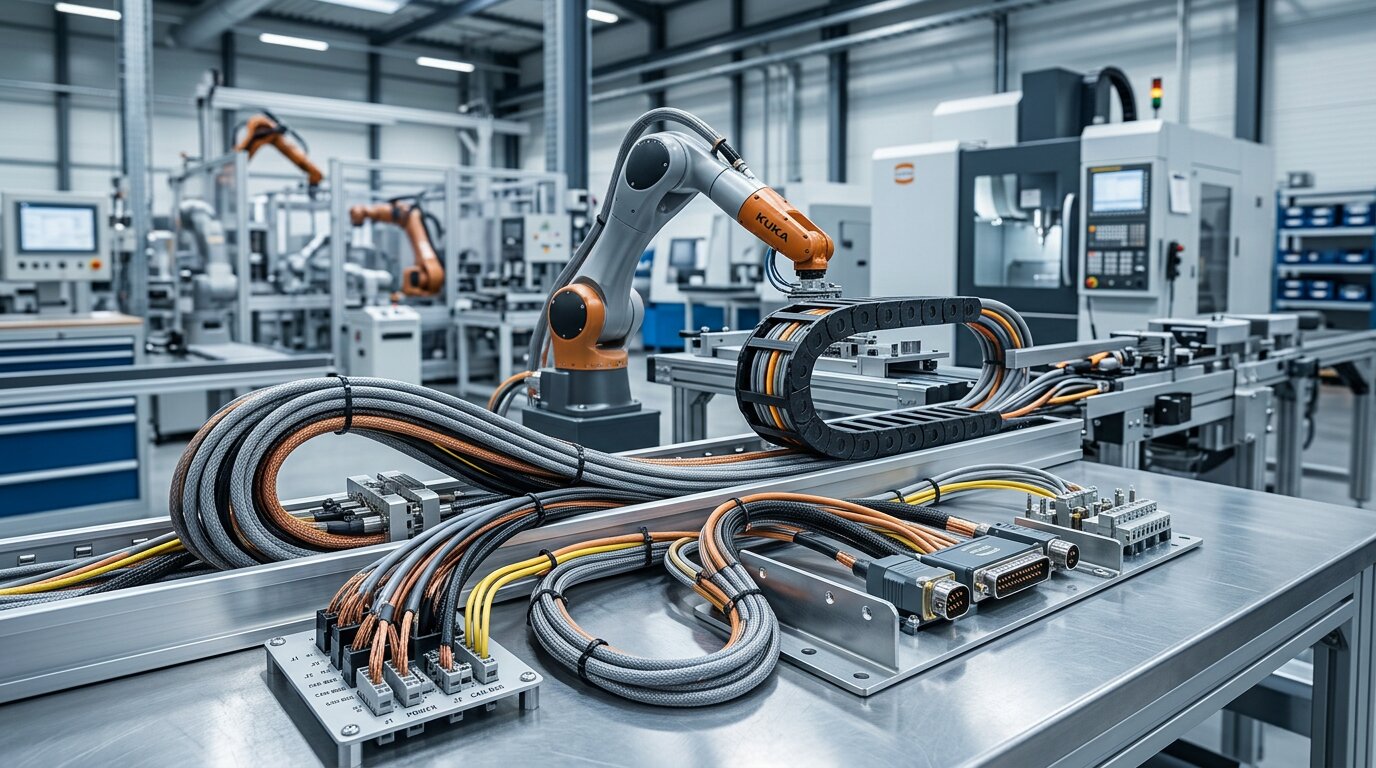
In the current era of rapid industrial evolution, business leaders often focus their attention on high-level software integrations, AI-driven analytics, and global supply chain logistics. However, the physical infrastructure—the literal "nerves" of modern machinery—remains the most critical factor in ensuring operational continuity. As industries shift toward automation, robotics, and wearable technology, the demand for resilient high-motion wiring components has never been higher for internal systems.
The Evolution of Connectivity
The transition from static machinery to dynamic, robotic systems has changed the requirements for electrical transmission. Traditional rigid wiring is no longer sufficient for applications that require constant motion, such as automated assembly lines or medical diagnostic equipment. This is where the transition to flexible wire technology becomes a strategic business decision rather than just a procurement line item.
Engineering teams must prioritize fatigue resistance and signal stability. When a machine part moves thousands of times per day, the internal wiring must withstand mechanical stress without failing. According to the research published by IEEE Xplore on the future of flexible electronics, the move toward robust and adaptable material platforms is a significant shift in modern industrial design.
Strategic Advantages of High-Flexibility Solutions
For a business, the cost of a component is not just its purchase price, but its "lifetime value." Low-quality wiring leads to micro-cracks and eventual circuit failure, resulting in expensive downtime. By investing in durable multi-strand wiring assemblies, companies can significantly extend the Mean Time Between Failures (MTBF) for their hardware products.
These advanced materials allow for tighter bending radii and smaller footprints, which is essential as devices become more compact. Whether it is in aerospace, precision medical tools, or high-end consumer electronics, the ability to maintain a stable connection under constant physical manipulation is a major competitive advantage.
Sustainability and Future-Proofing
Furthermore, the choice of materials plays a role in the global push for sustainability. Durable components mean fewer replacements and less electronic waste. As detailed in the technical history of wire production by Britannica, the evolution of drawing and bundling fine metal strands is what enables modern hardware to endure high-cycle stress without snapping.
In conclusion, as UK businesses look to lead in the "Industry 4.0" landscape, they must not overlook the fundamental hardware that powers their progress. Moving beyond standard specifications to embrace advanced, adaptable wiring is a hallmark of a forward-thinking enterprise. By choosing components designed for the rigors of modern motion, companies ensure that their innovations are built on a foundation of reliability and excellence.